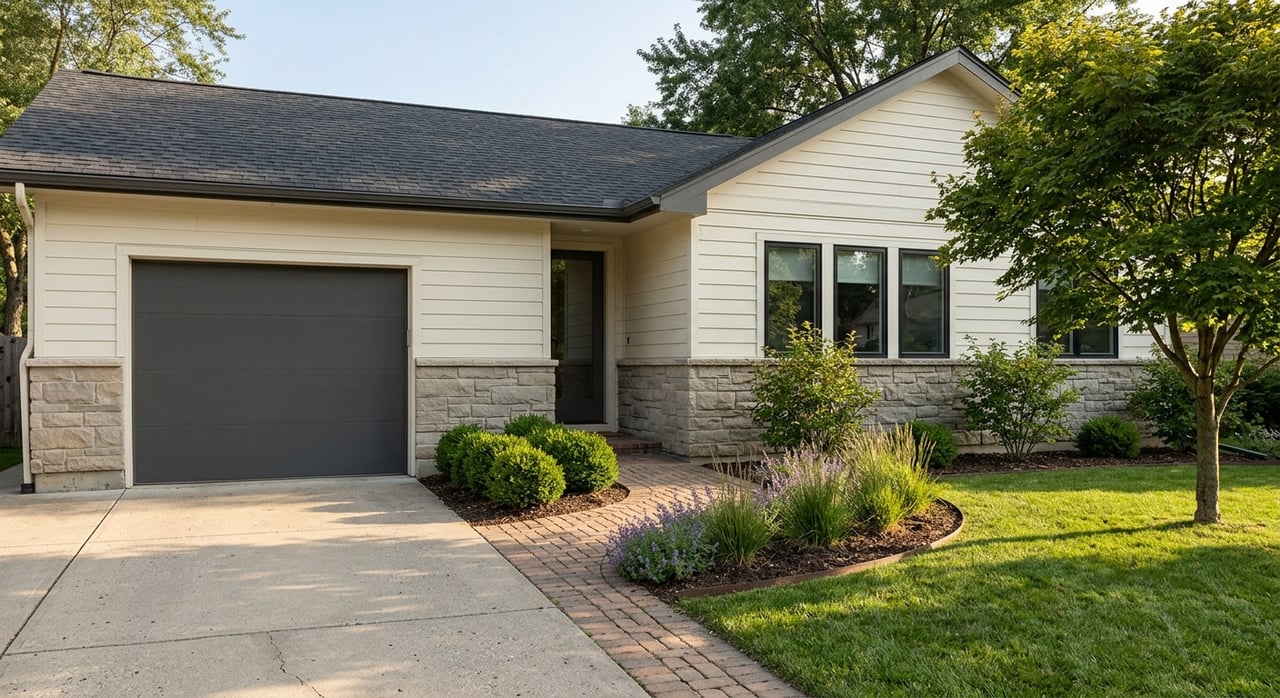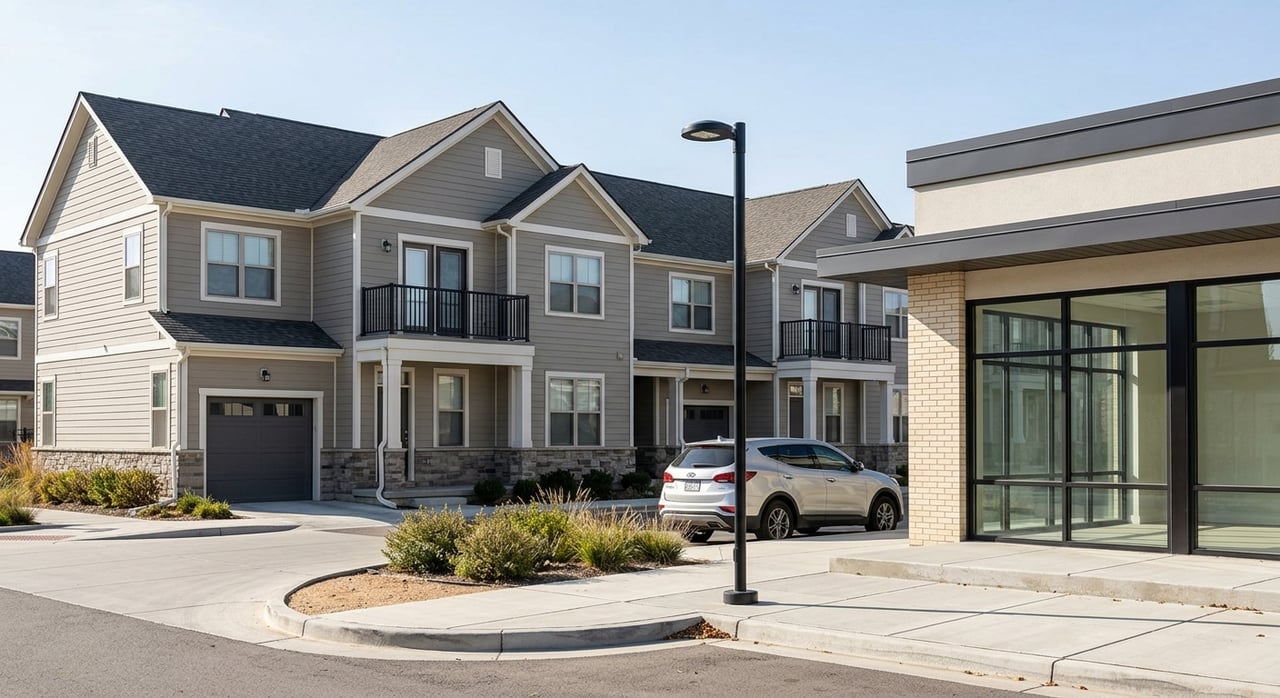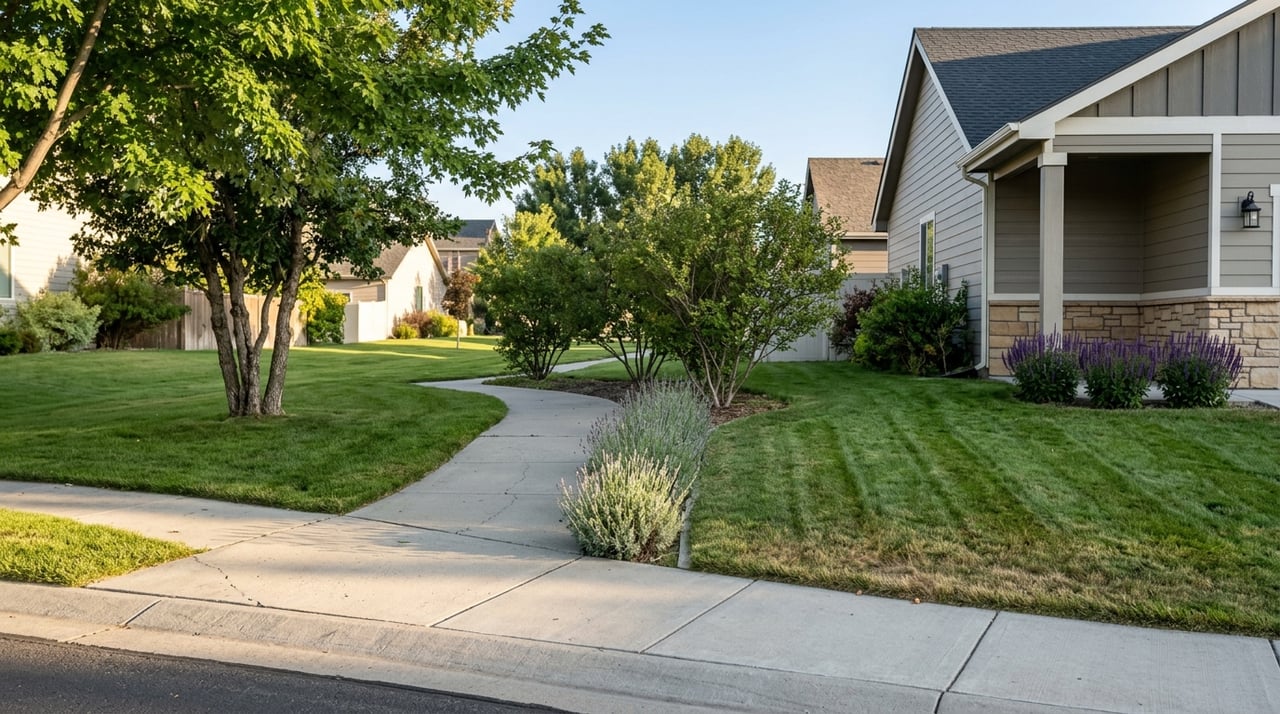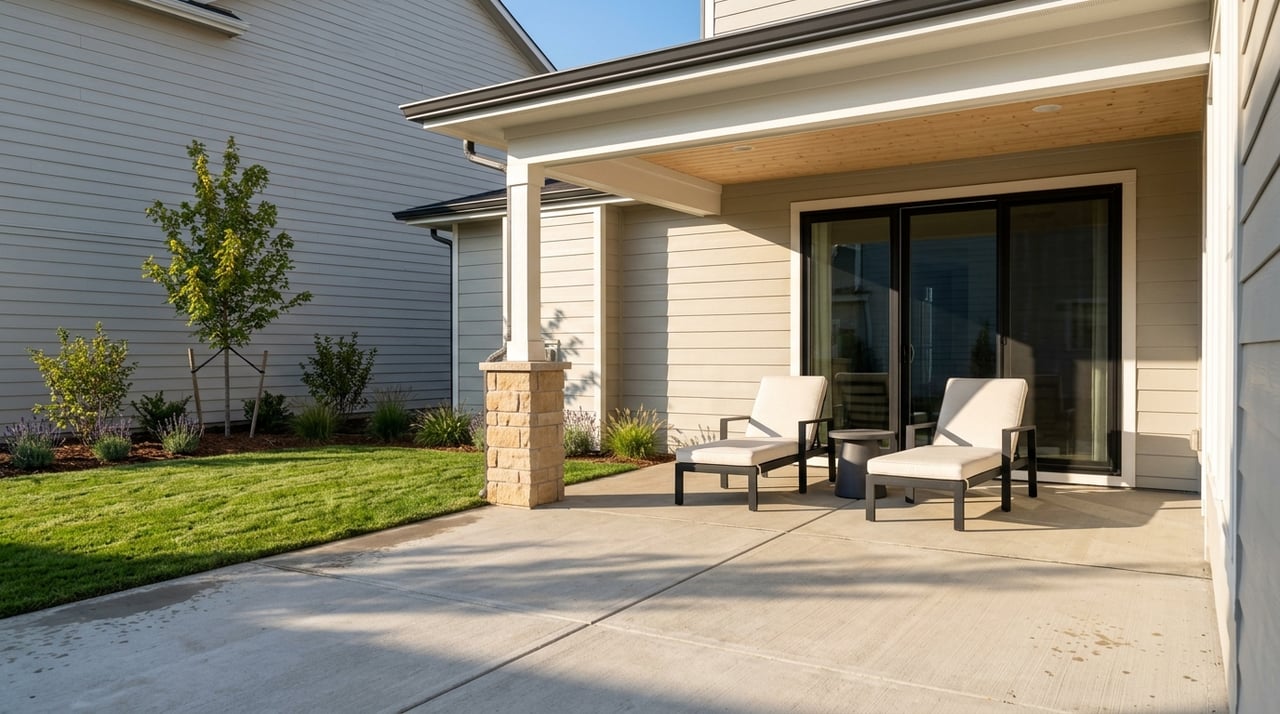
Wondering if buying a brand-new home in Syracuse should feel simpler than buying resale? In some ways it does, but new construction comes with its own moving parts, from lot details and upgrade choices to water questions, road work, and builder timelines. If you want more space and a newer home without walking into surprises, this guide will help you know what to ask and what to watch before you sign. Let’s dive in.
Why Syracuse draws new-build buyers
Syracuse has been growing quickly, and that growth helps explain why new construction is such a big part of the conversation for buyers. Census estimates show the city reached 39,909 residents in July 2025, up 24.2% from 2020.
The same Census profile shows an owner-occupied housing rate of 89.7%, a median household size of 3.64, and 36.3% of residents under 18. For many buyers, that points to a city where people are looking for room to spread out and settle in for the long term.
The median value of owner-occupied homes is listed at $573,300, and median monthly owner costs with a mortgage are $2,073. When you combine those numbers with Syracuse’s ongoing development, it makes sense that many buyers are comparing new builds for layout, space, and long-term fit.
What makes Syracuse new construction different
Buying new construction in Syracuse is not just about choosing a floor plan. You are often buying into an area that is still actively developing, which means the surroundings may continue to change after you close.
Syracuse has a planning department, building department, subdivision ordinance, land use ordinance, zoning map, preconstruction documents, and a city development map that helps residents track what is being built. That is a strong signal that growth is active and visible, not something happening quietly in the background.
Current city updates also show road work on 3000 W and access changes on 3300 W and Antelope Drive tied to development and infrastructure improvements. If you are touring a new community, it is smart to ask not only about the house, but also about access, traffic patterns, and future phases nearby.
Start with the lot, not just the model
A beautifully staged model home can make it easy to focus on finishes and layout. In Syracuse, though, your lot may affect your day-to-day experience just as much as the house itself.
Ask about drainage, setback impacts, fence orientation, and how usable the yard will be once everything is complete. You should also ask whether there are HOA rules, how outdoor features may be affected by local regulations, and whether any part of the lot design could change because of subdivision requirements.
Syracuse’s planning materials also point buyers toward fence and accessory-building regulations. That matters if you already picture adding a shed, changing fencing, or using your yard in a specific way after move-in.
Ask early about water and irrigation
Water is one of the most local questions you can ask when buying a new home in Syracuse. The city says new developments must obtain water shares before approval, which means water planning is built into the development process.
Syracuse also operates a secondary water system from May 1 to October 1. The city has also stated that secondary water will be metered by 2030, so buyers should ask how irrigation is set up now and what future costs or billing changes may look like.
This is the kind of detail that can easily get overlooked during the excitement of choosing a home. If yard care, landscaping, or future monthly costs matter to you, ask these questions before you commit to a lot.
Understand permits and inspections
New does not mean automatic. Syracuse’s building department states that new buildings, remodels, additions, and other construction projects must meet building code, and permit applications are handled digitally.
The city also requires inspections, and a final inspection is needed to close out the permit. That makes it important to understand who is handling what, what stage the home is in, and whether all required approvals will be complete before closing.
Utah’s Division of Professional Licensing says the contractor is responsible for obtaining required approvals and permits in its optional residential construction agreement. Even so, you should still ask direct questions so you know how the process is being managed on your home.
Get clear on upgrades and change orders
One of the biggest sources of stress in new construction is assuming something is included when it is not. Before you sign, ask what is included in the base price, what counts as an upgrade, and when your selections become final.
This matters for your budget, but it also matters for timing. Utah’s construction guidance says changes should be described in writing with cost and time impacts before work proceeds, and extensions generally need a change order.
That written process can protect you, but only if you pay attention to it. If you are comparing builders or communities, look closely at standard features, upgrade packages, and which changes are most likely to affect completion.
Know the timeline you are agreeing to
Build timelines can feel firm at the beginning and less firm as construction moves along. Utah’s optional construction agreement says time is essential, but it also explains that delays and extensions can affect the substantial completion date.
That is why you should ask what date the builder is targeting, what could extend that date, and how delays are documented. A realistic timeline matters even more if you are coordinating a current lease, a home sale, or a relocation.
It also helps to ask how the punch-list process will work. Utah’s guidance describes substantial completion, a punch list, and final payment after the punch list is finished, so you want to know what that sequence looks like before closing gets close.
Treat the warranty as a document, not a promise
Most new homes come with a builder warranty, but coverage is often more limited than buyers expect. Federal Trade Commission guidance says workmanship and materials on many components commonly expire after one year, while HVAC, plumbing, and electrical systems are often covered for two years.
The same guidance notes that major structural defects may be covered for up to 10 years, depending on the warranty. It also says some warranties do not cover appliances or out-of-pocket living costs if you need to relocate during repairs.
Before you move forward, ask what warranty you will receive, how long each part lasts, how claims must be submitted, and what is excluded. A brand-new home can offer peace of mind, but only if you understand where that protection begins and ends.
Do not skip your own inspection
It is easy to assume a new home does not need the same level of review as an older one. In reality, new construction still deserves careful verification.
Consumer guidance says buyers should get a home inspection during closing. In a new-build purchase, that can help you spot issues while there is still time to address them through the builder process.
Utah’s construction guidance also says homeowners have inspection rights during normal business hours. That makes it worth asking how and when you can inspect the property, especially as it gets closer to substantial completion.
Review the final numbers before closing
The last few days before closing are a major checkpoint in any home purchase, and especially in new construction. The Consumer Financial Protection Bureau says lenders must provide the Closing Disclosure at least three business days before closing.
When that form arrives, compare it carefully with your earlier Loan Estimate. Pay close attention to the loan amount, interest rate, closing costs, cash to close, escrow items, and any seller credits.
If something changed, ask about it right away. With a new-construction purchase, this is one of your best chances to catch last-minute differences before you are at the closing table.
Questions to ask before signing
If you want to buy new construction in Syracuse with confidence, walk into the contract conversation with specific questions. A clear answer now can save you money, stress, and timing problems later.
- What exactly is included in the base price?
- Which features are upgrades, and what do they cost?
- When do design selections freeze?
- What is the target substantial completion date?
- What delays could extend that date?
- Who is handling permits, inspections, and final sign-off?
- How will the punch-list process work?
- What builder warranty is included, and how do claims get filed?
- How will irrigation and secondary water work on this lot?
- Are there nearby road projects, access changes, or future phases that could affect daily life after closing?
- Does the final cash to close match the earlier loan estimate?
Buying with confidence in Syracuse
Syracuse can be a strong fit if you want newer housing, more space, and a home in a growing Davis County community. It is especially important, though, to look beyond the finishes and ask thoughtful questions about the lot, water, timeline, warranty, and surrounding development.
That is where steady guidance matters. A careful approach can help you compare options clearly, spot tradeoffs early, and move forward with more confidence from contract to closing.
If you are considering a new construction home in Syracuse and want a calm, informed guide through the process, Ame Lawlor would love to help you think through the details and make a confident move.
FAQs
What should you ask before buying new construction in Syracuse, Utah?
- Ask what is included in the base price, what counts as an upgrade, when selections freeze, what the completion timeline is, how permits and inspections are handled, what the warranty covers, and how water and irrigation will work on the lot.
Why does lot selection matter for a Syracuse new build?
- In Syracuse, lot choice can affect drainage, setbacks, fence placement, yard usability, irrigation setup, and how future development or road changes may impact your daily routine.
How does secondary water affect new homes in Syracuse?
- Syracuse operates a seasonal secondary water system from May 1 to October 1, and the city says secondary water will be metered by 2030, so buyers should ask how irrigation is set up and what future costs may look like.
Do you still need an inspection on a brand-new home in Syracuse?
- Yes. A new home can still benefit from an independent inspection, and consumer guidance supports treating a new build as a home that still needs due diligence.
When do you receive the Closing Disclosure for a new construction purchase?
- Lenders must provide the Closing Disclosure at least three business days before closing, which gives you time to review the final loan terms, closing costs, and cash to close.