Wondering how to make your Kaysville home stand out before it hits the market? In a city where most properties are residential and many homes have visible front yards, buyers often form their first impression from the street. The good news is that you do not need a major overhaul to make a meaningful difference. With smart, water-wise landscaping choices, you can create a cleaner, more polished look that fits Kaysville’s setting and local standards. Let’s dive in.
Why curb appeal matters in Kaysville
In Kaysville, yard appearance is a regular part of homeownership. The city’s 2025 water conservation plan says about 96% of properties are residential, and about 94% are served by both culinary water and secondary irrigation. That means buyers are used to noticing how a yard looks and how well it seems to function.
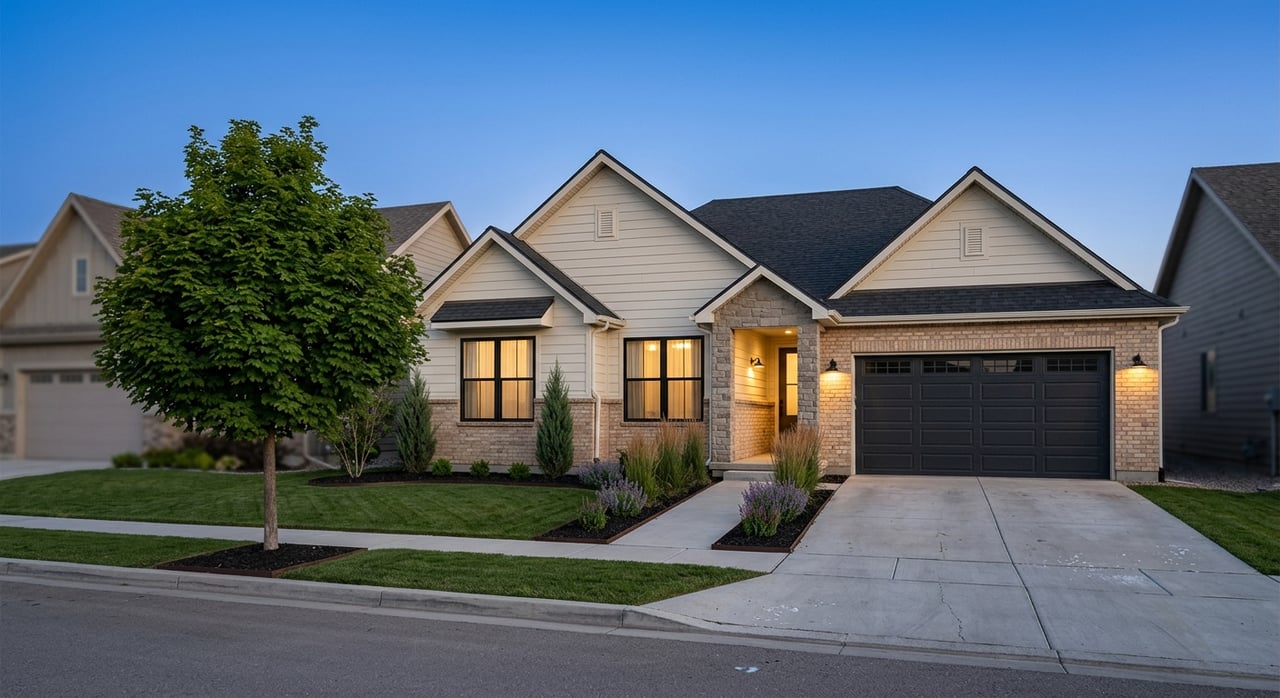
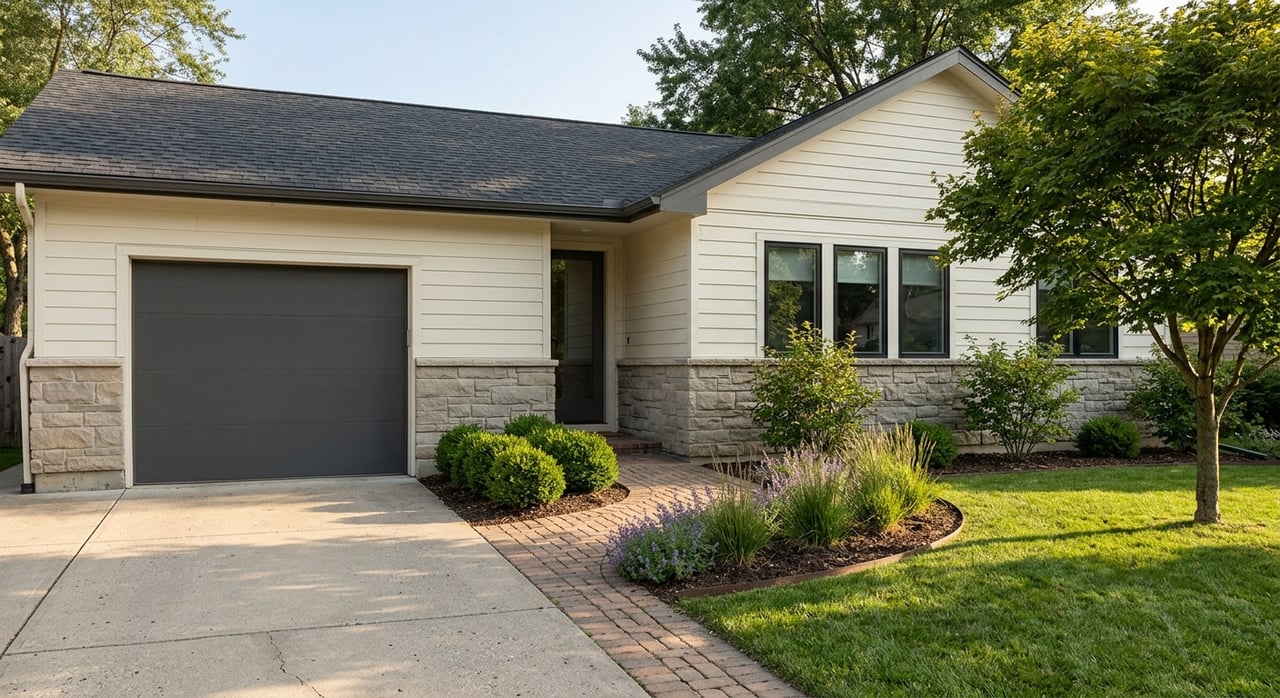
Kaysville’s zoning also makes the front of the property especially important. With front-yard setbacks typically ranging from 25 to 30 feet, plus street-facing setbacks on corner or multiple-frontage lots, the areas buyers see first often include the front lawn, park strip, driveway edge, and walkway to the door. For many sellers, that is where the best curb-appeal return starts.
Focus on the front-yard view
If you are preparing to sell, start with the areas that shape the first impression fastest. A tidy front yard usually does more for buyer appeal than expensive backyard projects that are less visible from the street. In Kaysville, that often means putting your effort into the entry sequence rather than a full property makeover.
Think about what a buyer sees in the first 10 seconds. Is the walkway clear? Does the lawn look intentional rather than overgrown? Do the planting beds frame the home, or do they feel scattered and unfinished?
Prioritize these visible zones
- Front lawn
- Park strip
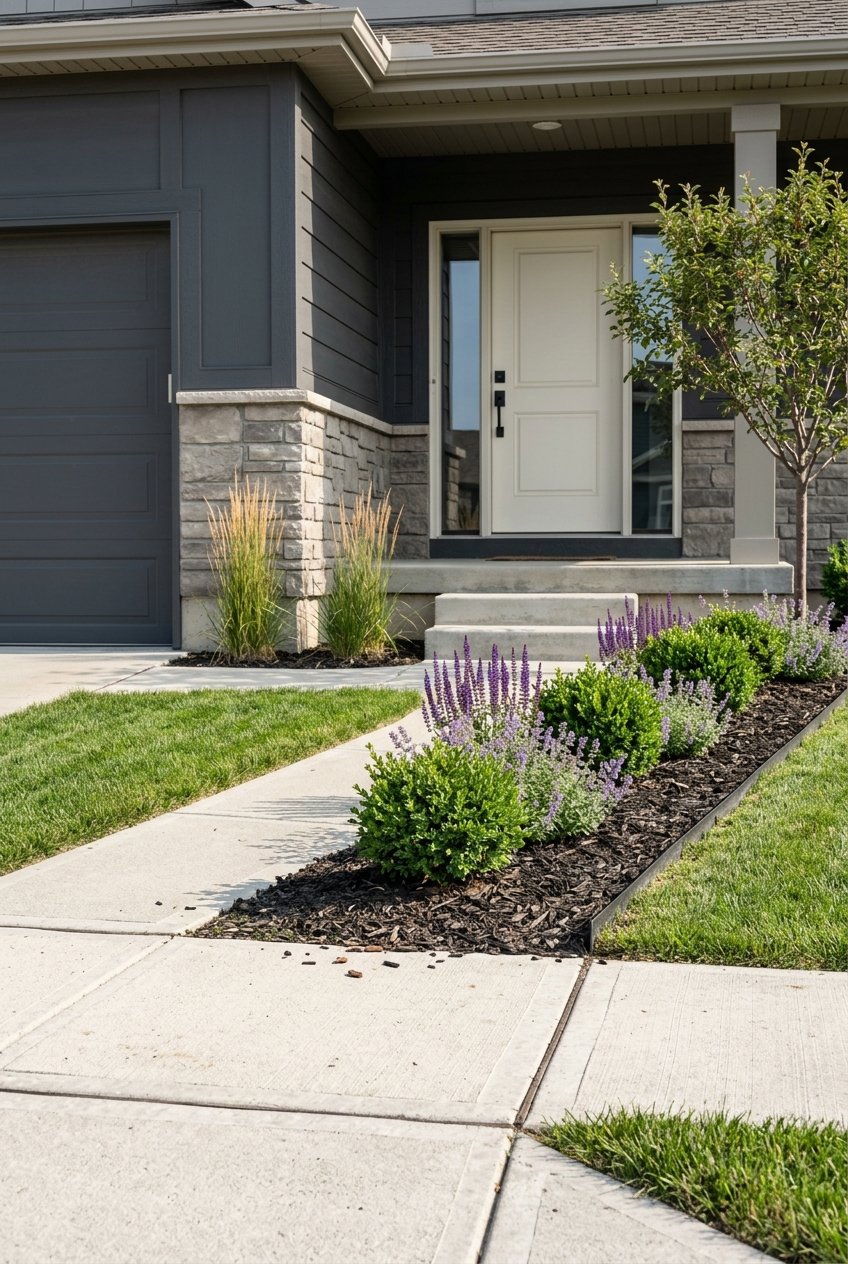
- Planting beds near the porch or entry
- Driveway edge
- Front walkway
- Front door area
- Street-facing side yard on corner lots
Work with Kaysville’s water-wise rules
One of the best things about landscaping in Kaysville is that local rules already support low-water choices. City code says turf is not allowed in areas narrower than 8 feet, including park strips. It also limits turf to no more than 35% of the combined front and side yard area in residential developments, and turf is not allowed on slopes steeper than 25%.
That means some of the most awkward yard spaces are already better suited for mulch, groundcovers, or planted beds. Narrow strips, steep patches, and underused corners are often strong candidates for a cleaner, lower-maintenance look. For a seller, this can be good news because it creates a more intentional appearance without fighting the site.
Park strip updates can make a big difference
Kaysville’s city FAQ says any type of landscaping is allowed in a park strip, and the city encourages water-wise plants, drought-tolerant vegetation, xeriscaping, and grass removal. If your park strip is patchy or difficult to maintain, replacing tired grass with a more thoughtful design can improve the whole frontage.
If you want to pursue an incentive for lawn replacement, timing matters. Kaysville participates in Weber Basin Water Conservancy District’s Landscape Lawn Exchange program, which offers $2.50 per square foot in Kaysville to replace living lawn with water-wise landscaping. The district says you must apply before any lawn is removed.
Choose plants that fit Northern Utah
A smart landscape refresh starts with plants that make sense for Kaysville’s climate. Utah State University Extension says water-wise plants are adapted to Utah’s arid climate and cold winters, and after they are established, they typically need watering about once every two weeks. That can help you create a yard that looks cared for without adding unnecessary maintenance.
USU’s water-wise guidance includes options such as bigtooth maple, serviceberry, and desert willow. You do not need to use all of them, but the bigger idea is important. A few well-chosen, climate-appropriate plants often look better than a yard filled with thirsty plants that struggle to stay fresh.
Keep the design simple and deliberate
USU recommends planning around sun, shade, soil, and slope. It also suggests choosing plants by height, width, shape, and function, then grouping plants with similar water needs. This approach creates a landscape that feels more organized and is easier to maintain.
USU also notes that grouping plants in threes, fives, or sevens can make a landscape look more polished. If your front yard feels random, repeating a few plant types in small groupings can quickly make the whole space feel more finished.
Make the lawn smaller, not neglected
In many Kaysville front yards, the goal is not removing all grass. The better strategy is often keeping only the turf that looks functional and healthy. That might mean maintaining a neat lawn panel near the walkway or entry while converting narrow or awkward edges into mulched planting areas.
This kind of edit can improve appearance and align with local water-wise standards. It also helps the yard feel easier to care for, which can matter to buyers comparing several homes in the same price range.
Where turf often makes less sense
- Narrow strips under 8 feet wide
- Steep areas over 25% slope
- Hard-to-water corners
- Underused front-yard sections
- Thin edges along driveways or sidewalks
Protect mature trees and refresh planting beds
If your front yard has healthy trees, treat them like an asset. USU says trees are the most valuable plant in the landscape and should be prioritized for irrigation during drought. For curb appeal, a mature tree can add structure, shade, and a sense of establishment that younger landscaping cannot replace quickly.
Around those trees and shrubs, focus on cleanup. Fresh mulch, defined bed edges, light pruning, and removal of dead material can make existing landscaping look intentional again. These are often the kinds of improvements that help buyers see the home’s potential without requiring a major budget.
Improve irrigation before adding more plants
A landscape only looks smart if it performs well. USU recommends efficient irrigation such as drip systems and grouping plants with similar water needs. In practical terms, that means checking whether sprinklers are hitting sidewalks, whether some areas are getting too much water, and whether beds could be watered more efficiently.
For a seller, irrigation tuning can be one of the most useful behind-the-scenes updates. A greener lawn, cleaner beds, and fewer dry spots can make the yard feel well cared for, even if you do not change much else.
Know what to skip
Not every exterior project is worth doing before you sell. In Kaysville, a full hardscape conversion or artificial turf install is often less aligned with local water-wise standards, and those options do not qualify for the Weber Basin incentive. A planted, mulched, drip-irrigated front yard with only functional turf is usually a cleaner fit.
It is also wise to be cautious with large summer planting projects. USU says summer heat is not the best time to install and irrigate new landscape plants, and fall is the better season for new planting. If you are listing soon in midsummer, cleanup, edging, mulch, pruning, and irrigation adjustments may offer a faster and more reliable curb-appeal payoff.
Pair landscaping with a front-door refresh
If your landscaping is already in decent shape, the next best improvement may be the entry itself. The 2025 Remodeling Impact Report says 97% of NAR members believe curb appeal is important in attracting a buyer. The same report notes estimated cost recovery of 100% for a new steel front door and about 80% for a fiberglass front door.
That does not mean every seller needs a new door. It does suggest that once the yard looks tidy and intentional, the front entry becomes an important finishing touch. Even small updates like fresh paint, clean trim, and a more welcoming porch area can help tie the exterior together.
Check HOA rules, but do not assume no
If your home is in an HOA, it is smart to review the design rules before making changes. At the same time, Utah law says an association may not prohibit a detached dwelling owner from incorporating water-wise landscaping. Associations can still require design review, healthy maintenance, and certain design standards.
The practical takeaway is simple. Check your CC&Rs and approval process, but do not assume water-wise front-yard improvements are off the table.
A smart curb-appeal plan for sellers
If you want a practical place to start, keep it simple and visible. Most Kaysville sellers do not need a dramatic landscape redesign. They need a front yard that looks clean, well planned, and appropriate for the home.
A strong plan often looks like this:
- Clean up the front yard and remove dead or overgrown material.
- Edge the lawn, walkway, and planting beds.
- Reduce awkward or underused turf areas where water-wise beds make more sense.
- Add mulch to make beds look fresh and finished.
- Use a few climate-appropriate plants in repeated groupings.
- Tune irrigation so lawn and planting areas look healthy.
- Finish with a polished front entry.
When you make these choices thoughtfully, you help buyers see a home that has been cared for. That sense of care can shape how they feel before they ever step inside.
If you are getting ready to sell in Kaysville and want practical guidance on which updates are worth it, Ame Lawlor can help you look at your home with a buyer’s eye and create a smart prep plan.
FAQs
Can you replace grass in a Kaysville park strip?
- Yes. Kaysville says any type of landscaping is allowed in a park strip and encourages water-wise plants, xeriscaping, and grass removal.
How much front-yard lawn is allowed in Kaysville?
- Kaysville code limits turf to no more than 35% of the combined front and side yard area in residential developments, and turf is not allowed in areas narrower than 8 feet or on slopes steeper than 25%.
What landscaping changes help a Kaysville home look better before listing?
- The most effective updates are often front-yard cleanup, bed edging, mulch, irrigation tuning, keeping healthy trees, and reducing awkward turf in favor of water-wise planting areas.
Can a Kaysville HOA stop water-wise landscaping?
- Utah law says an association may not prohibit water-wise landscaping for a detached dwelling owner, though it may require design review, healthy maintenance, and certain design standards.
Is summer a good time to install new landscape plants in Northern Utah?
- USU guidance says summer heat is not the best time for installing and irrigating new landscape plants, and fall is generally the better season for planting.
Is artificial turf a good option for a Kaysville lawn conversion?
- It may not be the best fit if your goal is a water-wise incentive project, because Weber Basin says artificial turf does not qualify for its Landscape Lawn Exchange program.