If you want a city where mountain views, a real downtown, and daily convenience all co-exist, Ogden deserves a closer look. For many buyers and relocators, the challenge is figuring out whether Ogden feels more urban, more suburban, or somewhere in between. The short answer is that it blends both, and that mix is a big part of its appeal. This guide will help you understand what everyday life in Ogden can look like, how different parts of the city feel, and what to keep in mind as you decide if it fits your next move. Let’s dive in.
Why Ogden Stands Out
Ogden is a midsize city with an estimated population of 88,656 in 2024 across 27.55 square miles, which gives it enough scale for distinct neighborhoods, a functioning downtown, and regional transit without feeling overwhelming. Census QuickFacts also reports a 61.3% owner-occupied housing rate, a median owner-occupied home value of $355,600, a median gross rent of $1,216, and a mean commute time of 22.5 minutes.
In practical terms, Ogden often feels compact and connected. You can be thinking about commute times, home styles, trail access, and downtown amenities all at once because they are part of the same local lifestyle story.
Ogden's Lifestyle in Real Life
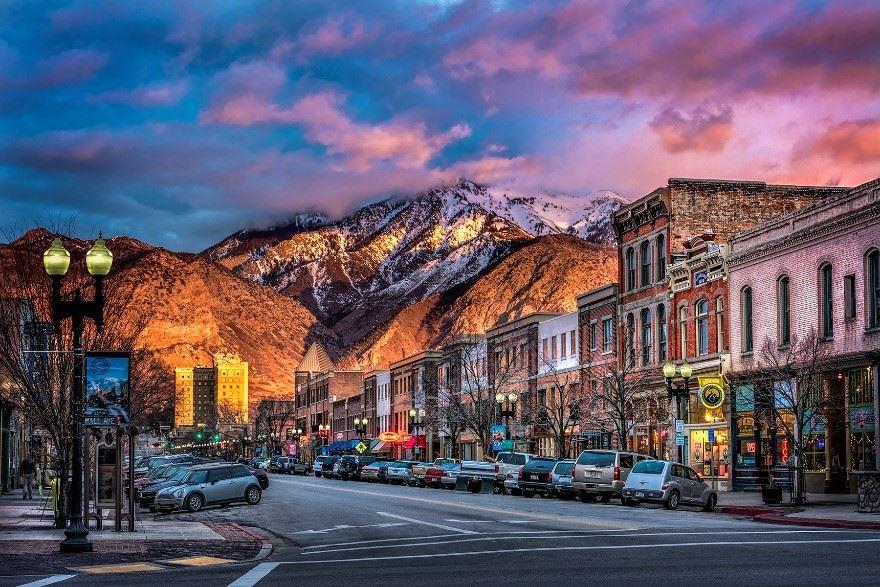
Ogden is best described as a hybrid city. It has a downtown core with preserved historic character and active local businesses—USA Today ranked the downtown area #6 in their top 10 best main streets for 2026 and has done so regularly since 2016—but it also has quieter residential areas, newer neighborhoods, and pockets that feel more spacious and removed.
That mix shapes daily life. You might grab coffee or dinner downtown, run errands along major corridors, and still have easy access to trails, the river parkway, or outdoor recreation without crossing a huge metro area.
Downtown Living in Ogden
Downtown Ogden centers around 25th Street and Washington Boulevard. This part of town offers some of the clearest urban-style living in the city, with newer condos and townhomes alongside historic single-family homes. If you want a home base that feels closer to events, dining, and local activity, this area is often the strongest fit.
Historic 25th Street is also one of the clearest snapshots of Ogden's personality. Visit Ogden highlights brew pubs, restaurants, galleries, independent shops, the summer farmers market, the monthly First Friday Art Stroll, and many of the city's festivals in this district.
For you as a buyer, that means downtown is not just a place to visit. It is part of how many residents experience the city week to week.
Neighborhood Variety Across Ogden
One of Ogden's strengths is that it does not force every buyer into the same lifestyle. The city has a range of neighborhood patterns, and your best fit often depends on the kind of home you want and how you spend your time.
East Central Homes and Character
East Central is an older, centrally located area between 12th and 36th streets west of Harrison Boulevard. Housing here includes Victorian mansions, bungalows, cottages, and newer historic-style homes.
If you appreciate established residential areas and a wide mix of architectural styles, East Central may stand out. It tends to appeal to buyers who want character and central location rather than a brand-new subdivision feel.
East Bench Access and Setting
The East Bench sits east of Harrison Boulevard and is a well-established area with cottages and ranch houses. It is also known for access to trailheads, which matters if outdoor time is part of your normal routine.
For many buyers, East Bench offers a balance that is hard to find elsewhere. You can stay connected to the city while being closer to the foothill edge and recreation access.
Shadow Valley Newer Homes
Shadow Valley is a newer residential area south of Weber State University and east of Harrison Boulevard. Many homes there were built within the last 20 years and often feature larger lots.
If your priority is newer construction, more interior space, or a layout that feels more contemporary, this area may be worth a closer look. It gives you a different side of Ogden than the historic core.
North End Space and Views
North End, located north of 12th Street, includes a mix of historic and newer homes, with tree-lined streets, along with some farmland. It boasts views toward the Great Salt Lake and Ben Lomond Peak.
This part of town can appeal if you want a quieter edge-of-town setting without leaving Ogden altogether. It offers a different rhythm than downtown or the bench neighborhoods.
Getting Around Ogden
Ogden remains a car-friendly city, and road access is a major part of daily life. The city sits near Interstate 15 and Interstate 84, with Interstate 80 roughly 40 minutes south, which helps support commuting and regional travel across the Wasatch Front.
At the same time, Ogden offers more transportation options than many midsize cities. Ogden City's transportation overview highlights UTA commuter rail, buses, vanpools, bike lanes, the Ogden River Parkway, downtown GREENbike stations, Lime scooters, and ski bus connections.
FrontRunner and Regional Access
FrontRunner runs from Ogden to Provo along an 83-mile corridor with 15 stations in Weber, Davis, Salt Lake, and Utah counties. UTA service runs at 30-minute intervals during weekday peak hours, 60-minute intervals off-peak and Saturday service, free parking at stations, and connections to other UTA services.
If you work outside Ogden or want more flexibility for regional travel, that can be a meaningful lifestyle advantage. It gives you an alternative to driving every trip yourself.
OGX and Everyday Transit
OGX is another standout feature. The electric bus rapid transit line runs from the FrontRunner station through downtown, then along Harrison Boulevard to Weber State University and McKay-Dee Hospital, with weekday service every 10 to 15 minutes.
That route matters because it connects several of Ogden's key destinations. If your routine includes downtown, campus, medical services, or nearby employment areas, OGX can make the city feel more connected.
Outdoor Access Is Part of Daily Life
In Ogden, outdoor recreation is not just a weekend idea. It is woven into the city's layout and identity.
Ogden's trails network includes scenic routes that connect residents to mountain views, waterfalls, and historic trail corridors. The city also points to miles of off-road trails and the Ogden River Parkway, giving residents multiple ways to walk, bike, or explore close to home.
For many people, this is one of Ogden's biggest lifestyle advantages. You can live in a city with established neighborhoods and a functioning downtown while still keeping trail access and open-air time close to your regular routine.
Is Ogden More Urban or Suburban?
The most accurate answer is both. Ogden has a compact downtown and older central neighborhoods that can feel more urban in pattern and energy, but it also has newer and more spacious residential pockets that feel more suburban or edge-of-town.
That flexibility is useful when you are house hunting. Instead of choosing between city life and more room, you can often narrow your search based on the version of Ogden that fits your goals best.
What Buyers Should Think About
If you are considering a move to Ogden, it helps to focus on your routine. The right area often comes down to how you want your home, commute, and free time to work together.
A few questions can help:
- Do you want to be closer to downtown events, restaurants, and a more urban feel?
- Would you rather prioritize established homes with character?
- Do newer homes and larger lots matter most?
- How important is trail access or a quicker path to outdoor recreation?
- Would transit options like FrontRunner or OGX improve your week-to-week routine?
When you ask those questions early, you usually get a clearer picture of which part of Ogden deserves the most attention.
Why Local Guidance Matters
Ogden is not a one-note market. A downtown condo, a historic bungalow, a foothill cottage, and a newer home on a larger lot can all exist within the same city, but they support different lifestyles.
That is where thoughtful guidance can make a real difference. When you understand the tradeoffs between location, home style, access, and everyday rhythm, you can make a more confident decision and avoid chasing a general idea that does not fit your real needs.
If you are thinking about buying or selling in Ogden, working with someone who understands neighborhood fit, home potential, and the practical side of a move can propel you forward with more clarity. If you want help comparing areas or figuring out what type of home best matches your goals, connect with Ame Lawlor for insightful guidance.
FAQs
What is everyday life like in Ogden, Utah?
- Everyday life in Ogden blends downtown convenience, residential neighborhood variety, and easy access to trails, the Ogden River Parkway, and mountain recreation.
What types of homes can you find in Ogden?
- Ogden includes downtown condos and townhomes, historic single-family homes, cottages and ranch houses in established neighborhoods, newer homes in Shadow Valley, and more spacious options in the North End.
Is downtown Ogden a good fit if you want local amenities nearby?
- Downtown Ogden has consistently been in the top 10 for Best Main Streets in America for the past 10 years. It is the city's strongest option if you want to be near restaurants, independent shops, galleries, festivals, and events centered around Historic 25th Street.
How do people get around in Ogden?
- Many residents still rely on driving, but Ogden also offers FrontRunner commuter rail, OGX bus rapid transit, local bus service, bike lanes, the Ogden River Parkway, and other active transportation options.
Is Ogden more urban or suburban for homebuyers?
- Ogden is best understood as a hybrid, with a compact downtown and older central neighborhoods on one side and newer or more spacious residential areas on the other.