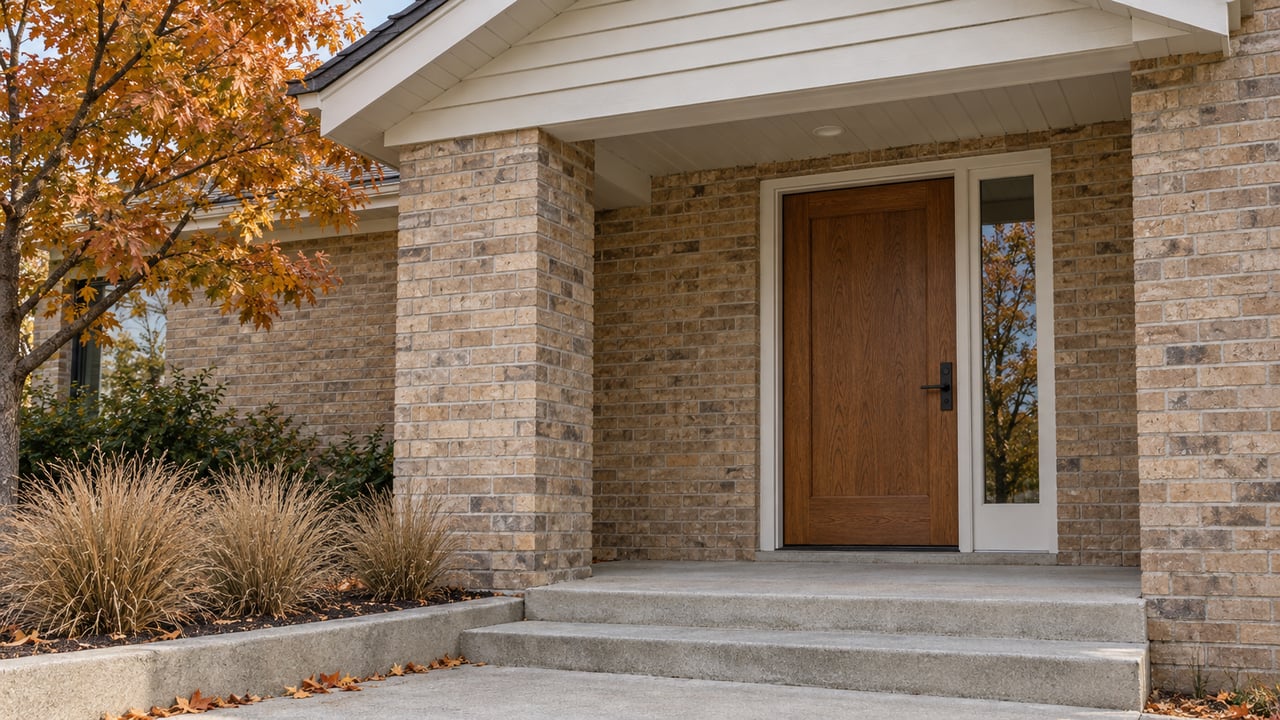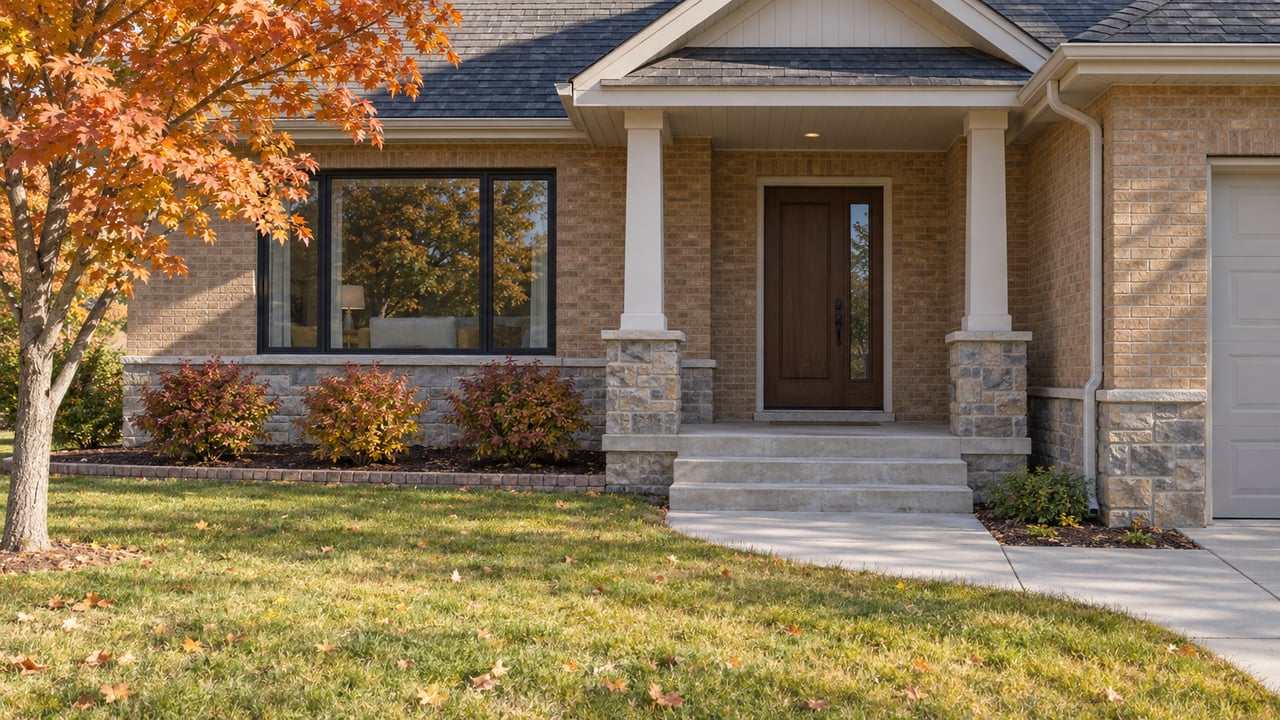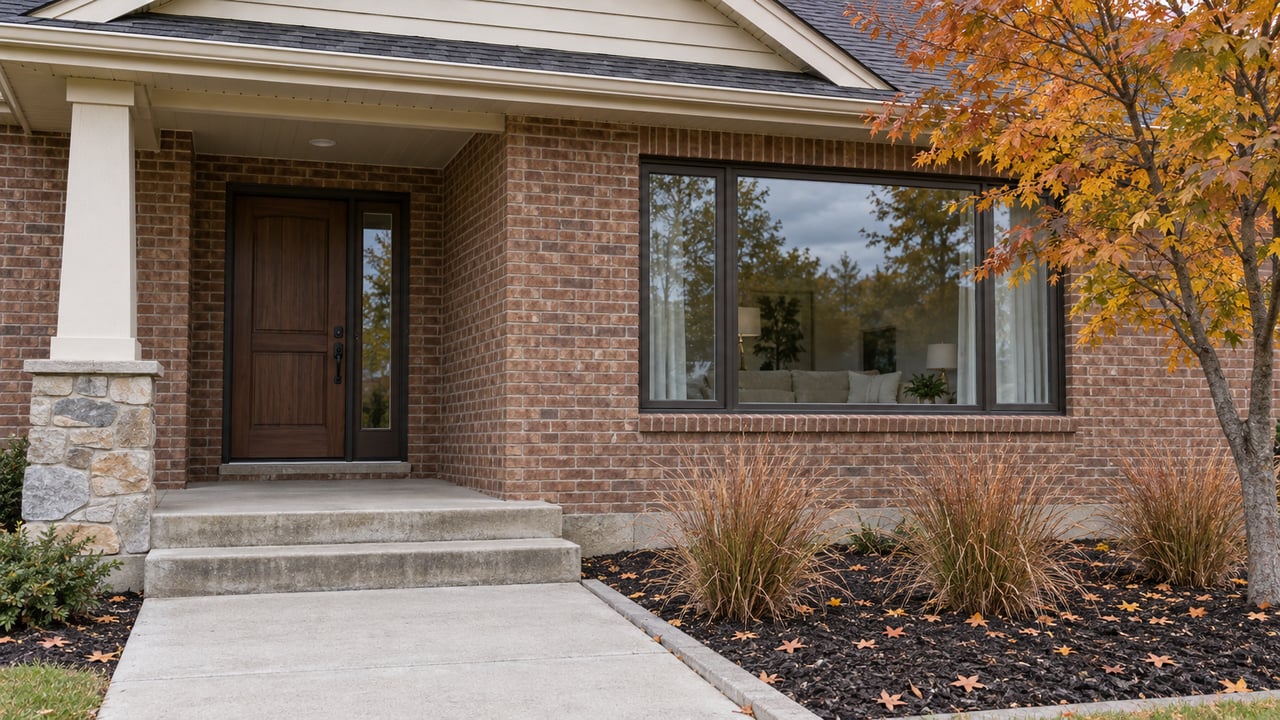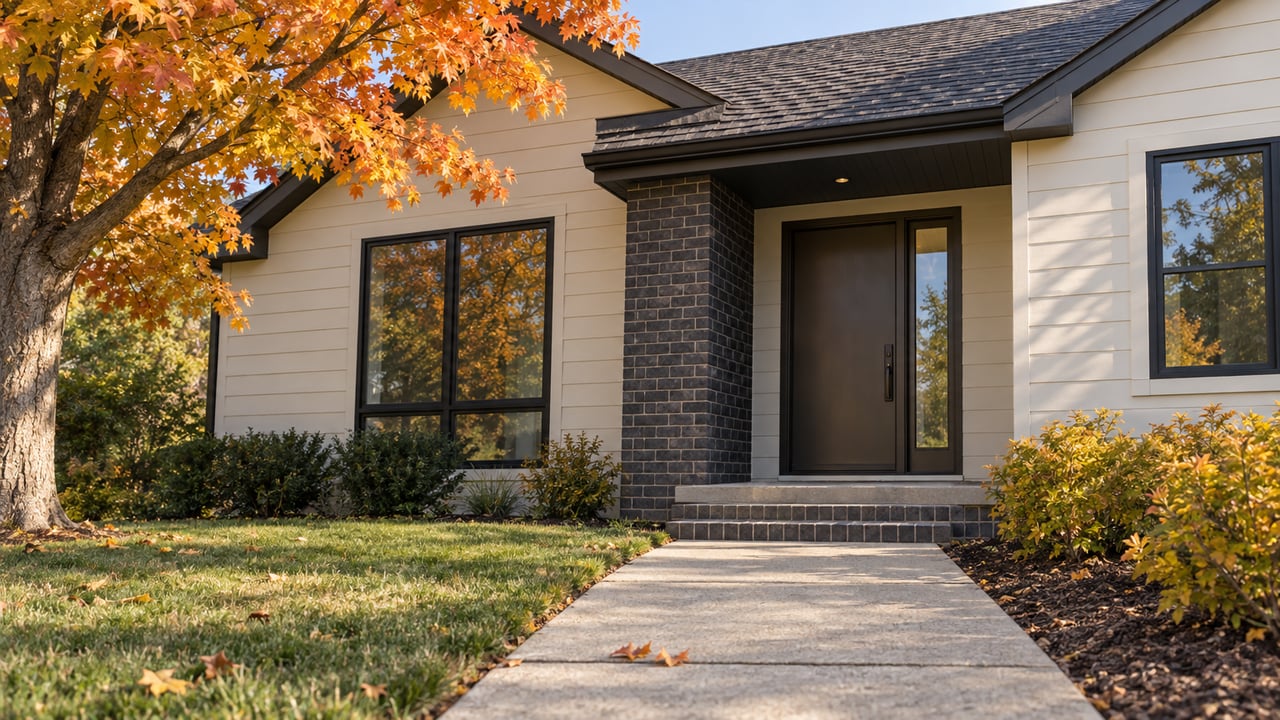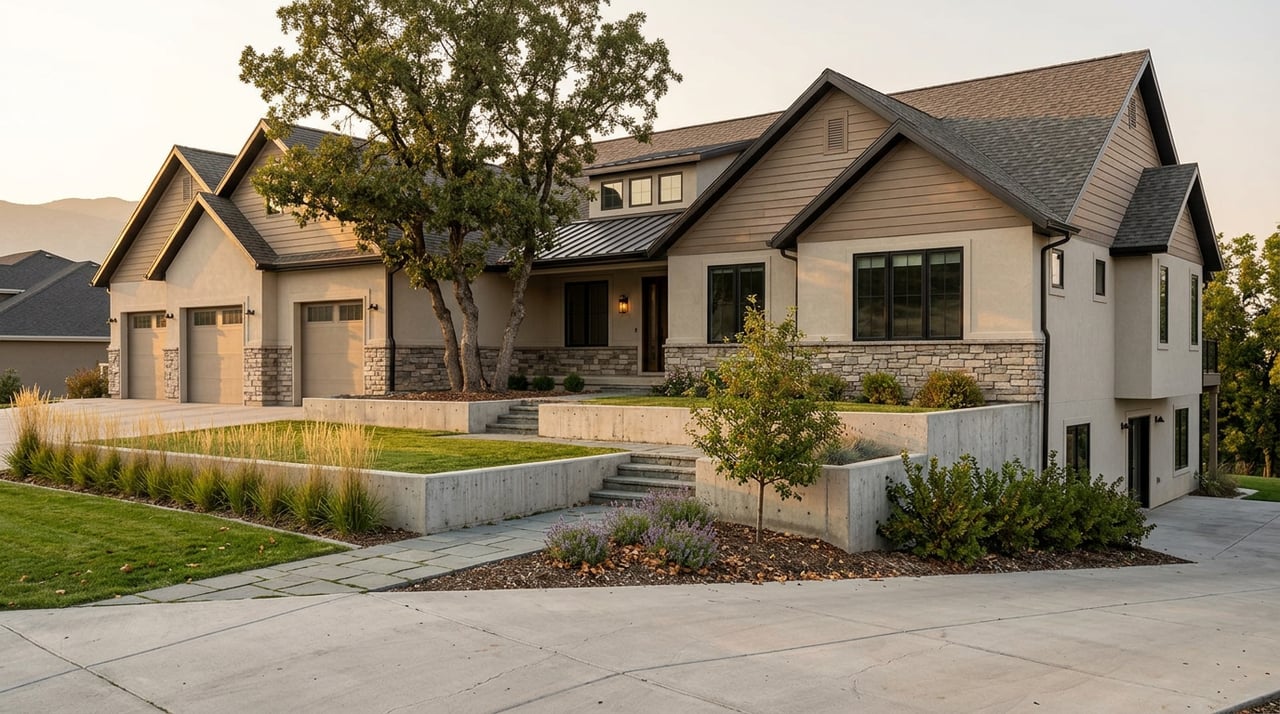
Drive up Bountiful Boulevard from Main Street and the city changes under your tires. The valley floor holds rows of brick ramblers built when the interstate was still new, yards fenced with chain link, driveways just wide enough for a single car. Climb another few hundred feet and the lots widen, the garages triple, and the view opens onto the Great Salt Lake. Somewhere between those two elevations sits the number every home search shows you as "the median price in Bountiful." That number is accurate. It is also describing two different housing markets that happen to share one zip code.
The Median Is Blending Two Products, Not Describing One
Over the three months ending in May 2026, homes in Bountiful sold at a median of $565,000, up 3.6% from the same stretch a year earlier, at a median of $236 per square foot. Homes were also moving faster than the year before, an average of 28 days on market compared to 41. By July 2026, city-wide figures put the typical closed sale at $559,495, selling for about 98.2% of its final list price in a median of 32 days.
Those figures are real. They are also an average of two products that don't behave the same way: a small, land-constrained supply of new construction climbing the east bench, and a much larger stock of mid-century resale homes filling the center and valley floor of the city. Reading the median as one continuous curve, the way a buyer might in a still-growing city like Farmington or Layton, misreads what's actually for sale in Bountiful.
Why "New Construction" Means Something Different Here
Bountiful was settled in 1847 and was largely built out well before cities like Lehi or Saratoga Springs broke ground on their first subdivisions. There is no stretch of hundreds of open acres waiting for a master-planned community here. What's left are small, scattered parcels: hillside lots climbing the bench above 1300 East and teardown-and-rebuild lots tucked into older central neighborhoods.
That scarcity shows up directly in price. New construction on the bench, concentrated above 1300 East and near Bountiful Boulevard, typically lists from the high $800,000s into $2 million and beyond, driven less by square footage than by what the lot itself costs. Smaller infill builds on flatter ground can come in lower, sometimes into the $700,000s. At Stone Creek Estates, a custom-home community on the bench north of the Bountiful Temple, lots alone run $400,000 to $645,000, with finished homes starting around $2 million.
That same stretch of bench is also home to the city's most recognizable established neighborhoods: Canyon Crest and Bountiful Heights, both foothill communities built out with custom executive homes and valley views, and Ridgewood of Maple Hills, a premium enclave within the broader Maple Hills development. Those are a different category from the raw new-construction lots above, but they help explain why "the bench" reads as a distinct market from the rest of the city.
None of that bench pricing shows up in the resale stock that makes up most of what's actually available in Bountiful. Citywide, much of the housing stock dates from the 1950s through the 1980s, and central and valley-floor communities like Mill Creek Heights, Carriage Crossings, and the broader Maple Hills development carry a good share of that older inventory. That stock trades much closer to the citywide median, which is where most of the $236-per-square-foot figure is actually coming from.
| Where you're shopping | What you're actually buying | Rough price context |
|---|---|---|
| East Bench above 1300 East, near Bountiful Boulevard | New custom and spec construction on scarce remaining lots | High $800Ks to $2M+, driven mainly by land cost |
| Central and valley-floor established neighborhoods (Maple Hills, Mill Creek Heights, Carriage Crossings) | Bulk of current resale inventory, much of it dating from the 1950s through the 1980s | Close to the citywide median, roughly $550K-$565K in spring 2026 at $236-$245 per square foot |
A listing's price only makes sense once you know which row of that table it belongs to.
Why Comparing Bountiful to Farmington or Layton Isn't Apples to Apples
Growth cities just to the north, Farmington and Layton, are still absorbing subdivisions on open ground, so a much larger share of what's listed there was built in the last decade. Bountiful's new construction is the opposite: a small and expensive sliver of a market dominated by resale. A buyer comparing Bountiful's median price straight across to Farmington's median is often comparing an average leaning resale against an average leaning new build, not two versions of the same product sitting in two different school districts.
The state's disclosure rules add one more wrinkle worth knowing before you lean on any online number. Utah is a non-disclosure state, meaning actual sale prices aren't part of the public record the way they are in some other states. Automated home-value estimates work from modeling rather than confirmed contract prices, which is part of why the same address can show a different figure depending on where you look. In a market with as much variation in housing stock as Bountiful has, a comparative market analysis built from actual closed sales tends to hold up better than any single online estimate.
The Same Price Tag Reads Differently Depending on Where You're Standing
Here is where the median gets genuinely interesting rather than just structurally messy. Home-search data covering the first quarter of 2026 shows that among Bountiful homeowners actively searching to move, roughly a quarter were looking to leave the metro area entirely, and St. George topped their list of destinations, followed by Boise and Logan. Those are markets where the same housing budget stretches over more land, and in St. George's case, over a milder winter.
At the same time, out-of-metro buyers searching into Bountiful were disproportionately coming from Los Angeles, more than any other outside metro, followed by Seattle and Washington, D.C.
That's two groups looking at the identical median price from opposite directions, not a contradiction. A longtime Bountiful homeowner comparing local prices to St. George or Boise sees a city that has gotten expensive relative to its regional peers. A buyer arriving from the Los Angeles basin or Puget Sound, where that same $565,000 wouldn't cover a down payment on a comparable home, sees a bargain with mountain views and a short freeway run into Salt Lake City. Bountiful's price hasn't changed between those two readings. The reference point has.
What This Means If You're Comparing Bountiful to Its Neighbors
If you're shopping Bountiful against Farmington or Layton, the median price alone won't tell you what you're actually choosing between. A few questions do more of the real work:
- Is this listing part of the bench's scarce new-construction supply, or is it resale stock from the city's mid-century core? The two aren't priced on the same curve, and treating them as interchangeable is how buyers end up disappointed either by cost or by condition.
- If you're weighing an online estimate against a listing price, remember that Utah doesn't publicly disclose sale prices, so that estimate is a model, not a confirmed number.
- If you're moving in from outside Utah, price the comparison against your last market rather than against Bountiful's faster-growing neighbors. The math looks different depending on which one you use as your anchor.
None of this is about choosing sides between the bench and the valley floor, or between Bountiful and the cities growing up around it. It's about knowing which of Bountiful's two markets a specific listing actually belongs to before you compare it to anything else.
Frequently Asked Questions
Is Bountiful still building new subdivisions? Not in the way Farmington or Layton are. Because the city is largely built out, new construction here tends to be individual hillside lots, small infill projects, or teardown-and-rebuild homes rather than large master-planned communities.
Why do two Bountiful listings show such different price per square foot? Because they're often not competing in the same segment. A resale rambler in an established neighborhood and a custom bench-lot build a mile away are priced against different cost structures, land scarcity for one, age and size for the other.
Is Bountiful more affordable than Farmington or Layton? It depends which slice of each city you're comparing. Bountiful's resale stock often prices lower per square foot than newer construction in the growth cities to the north, but its scarce bench new-construction can price well above anything currently being built in Farmington or Layton.
Whether you're weighing a resale rambler in Mill Creek Heights against a custom build on the bench, or trying to figure out how Bountiful actually stacks up against Farmington once you adjust for what's really for sale, that's a conversation worth having with someone who tracks this market house by house rather than by citywide average. Ame Lawlor can walk you through what a specific listing's price is actually telling you, not just what the median says. Let's Connect.
This article is general information, not legal, tax or financial advice. Consult a qualified professional about your situation.